 +442033454276
 Info@umrahvision.co.uk
 Live
Calls
Live
Calls Live
Chat
Live
Chat Contact
Complete Umrah Guide for Beginners
Umrah is one of the most spiritually uplifting journeys a Muslim can undertake. It is often referred to as the "lesser pilgrimage" but carries immense spiritual rewards and opportunities for personal reflection. While it is not an obligation like Hajj, performing Umrah brings countless blessings, forgiveness of sins, and renewal of faith. If you are planning your very first Umrah, this detailed guide will take you step-by-step through the process—from preparation at home to completing the sacred rituals in Makkah.
Understanding the Essence of Umrah
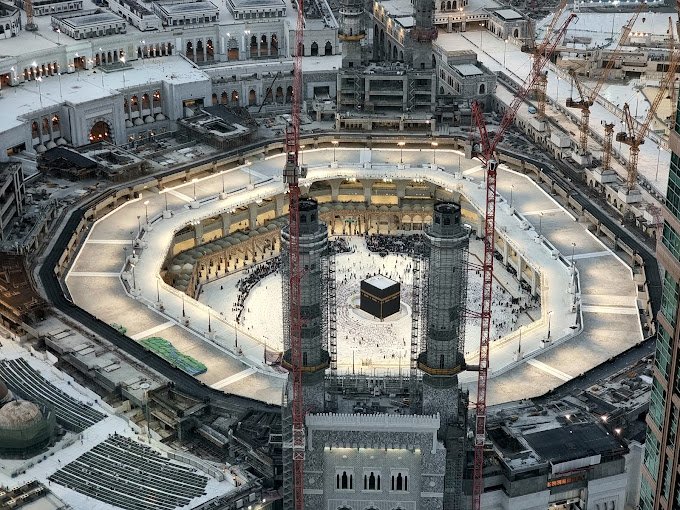
Umrah, meaning “to visit a populated place,” is an act of devotion and love for Allah. It involves specific acts of worship performed in the holy city of Makkah, Saudi Arabia. Unlike Hajj, Umrah can be performed at any time throughout the year, offering flexibility to believers from all around the world. Its rituals are fewer and less complex, but the emotional and spiritual experience is equally profound.
The journey of Umrah is deeply symbolic. Each step—from donning the Ihram to circling the Kaaba—is filled with meaning. It reminds pilgrims of equality, humility, and submission to Allah’s will. People from all walks of life, regardless of nationality, wealth, or status, stand side by side in front of Allah, dressed in simple white garments that erase worldly distinctions.
Key Components of Umrah include:
- Ihram: The state of purity and the simple clothing that signifies humility and unity.
- Tawaf: Circling the Kaaba seven times in deep devotion.
- Sa’i: Walking seven times between the hills of Safa and Marwah, remembering Hajar’s faith and endurance.
- Halq or Taqsir: Shaving or trimming the hair to symbolize renewal and purification.
Preparing for the Blessed Journey
Before setting out on Umrah, preparation is both practical and spiritual. Planning carefully ensures a smooth, worry-free pilgrimage and allows you to focus on worship instead of logistics. Begin by organizing your travel documents and essentials well in advance.
Documentation and Visa Requirements
- Ensure your passport is valid for at least six months from the date of travel.
- Apply for an Umrah visa through an authorized travel agent or the official Saudi platform.
- Book your flights, accommodation, and ground transportation early for better rates and availability.
Health and Vaccinations
Pilgrims are advised to take necessary vaccinations such as meningitis and COVID-19 before travel. It’s also wise to pack a small medical kit containing basic medications, pain relievers, and any personal prescriptions. The hot climate of Makkah means hydration is vital, so carry a reusable water bottle and avoid exhaustion.
Packing Smartly
- Ihram garments (two white unstitched sheets for men; modest clothing for women)
- Comfortable sandals or slippers for walking
- Small prayer mat, Quran, and digital counter for dhikr
- Umbrella, sunscreen, and sunglasses for sun protection
- Essential toiletries and fragrance-free soap
Entering the Sacred State of Ihram
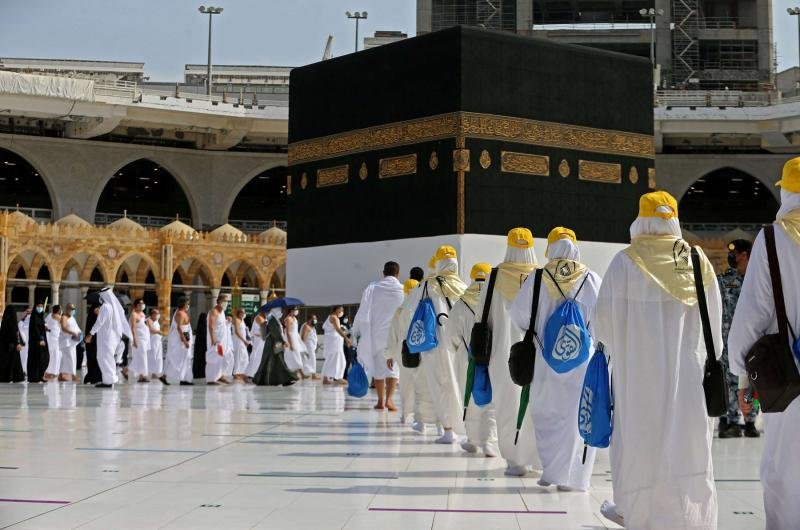
Ihram is more than clothing—it’s a sacred state of mind and body. Before crossing the Miqat (the designated boundary around Makkah), pilgrims perform ghusl (a full-body wash), wear their Ihram garments, and make the intention (niyyah) to perform Umrah. This moment marks the start of your spiritual transformation.
“Labbaik Allahumma Labbaik, Labbaik la sharika Laka Labbaik, Innal-hamda wan-ni’mata Laka wal-mulk, La sharika Lak.”
While in Ihram, pilgrims must avoid cutting hair or nails, using perfume, engaging in marital relations, or getting into arguments. The goal is to maintain a state of peace, humility, and devotion, focusing entirely on pleasing Allah.
Performing Umrah: Step-by-Step Guide
1. Tawaf (Circumambulation of the Kaaba)
Enter Masjid al-Haram with your right foot and recite the dua for entering the mosque. When you see the Kaaba for the first time, raise your hands and make heartfelt supplications—it’s one of the moments when duas are most likely to be accepted. Begin Tawaf at the Black Stone (Hajar al-Aswad) by facing it and saying “Bismillah, Allahu Akbar.” Walk counterclockwise around the Kaaba seven times with calmness and focus, avoiding haste and pushing.
After completing seven rounds, perform two rak’ahs of prayer behind Maqam Ibrahim if space allows. This symbolizes gratitude and connection with the legacy of Prophet Ibrahim (AS). Then drink Zamzam water, make dua, and prepare for Sa’i.
2. Sa’i (Walking Between Safa and Marwah)
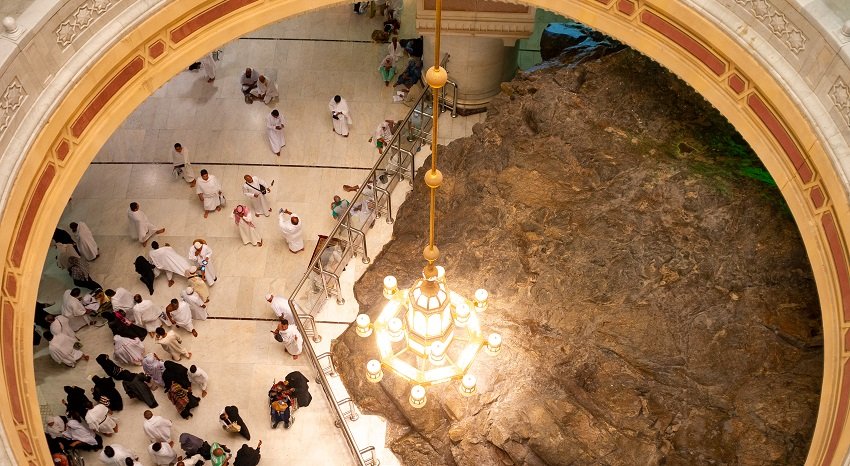
Proceed to the hills of Safa and begin your Sa’i. Standing on Safa, face the Kaaba and raise your hands in dua. Then walk towards Marwah, reciting prayers or dhikr along the way. Men are encouraged to walk briskly between the green lights, emulating the steps of Hajar (AS) as she searched for water for her son, Prophet Ismail (AS). Repeat this journey seven times, ending at Marwah. It’s a beautiful reminder of a mother’s patience, faith, and trust in Allah.
3. Halq or Taqsir (Hair Cutting)
After Sa’i, the final ritual of Umrah is Halq (shaving the head) or Taqsir (trimming the hair). Men usually shave their entire heads, symbolizing renewal and humility. Women trim a small portion—about an inch—from the end of their hair. Once done, you are officially out of Ihram, and your Umrah is complete.
After Completing Umrah
Once you’ve completed the rituals, change out of Ihram garments and take a moment to thank Allah for allowing you to perform this sacred act. Many pilgrims choose to stay in Makkah for a few more days, performing voluntary Tawaf, praying in the Grand Mosque, and spending time in reflection and gratitude. This is a wonderful opportunity to deepen your connection with Allah and strengthen your spiritual discipline.
You may also visit Madinah, the city of the Prophet Muhammad (ﷺ), to offer prayers in Masjid an-Nabawi and send salutations upon him. Visiting Madinah is not part of Umrah, but it is highly recommended and spiritually enriching.
Essential Tips for First-Time Pilgrims
- Stay hydrated, especially during the day, and rest when needed.
- Respect local customs, maintain cleanliness, and avoid littering.
- Keep important documents and valuables in a secure travel pouch.
- Use a digital tasbeeh counter or app to help you stay focused in dhikr.
- Learn or memorize basic Arabic phrases for communication and supplication.
Common Questions About Umrah
Q: How long does Umrah take?
A: On average, Umrah takes 3 to 5 hours to complete, depending on the crowd and your pace.
Q: Can women perform Umrah alone?
A: Women are encouraged to travel with a mahram, although in recent years, regulations in Saudi Arabia have allowed women to perform Umrah without one under specific conditions.
Q: What if I make a mistake during the rituals?
A: Minor mistakes can be forgiven by seeking Allah’s mercy. For serious errors, consult a scholar or your group leader for guidance.
Conclusion
Performing Umrah is more than a journey—it’s a renewal of faith, an act of surrender, and an invitation to grow closer to Allah. Every step, from the moment you wear the Ihram until you complete your final dua, reflects your devotion and humility before your Creator. As you walk through the sacred spaces where prophets once stood, remember that Umrah is not only about rituals—it’s about transforming your heart, renewing your intentions, and strengthening your relationship with Allah.
🌙 May Allah accept your Umrah, forgive your sins, and grant you endless blessings on this sacred journey. Ameen.